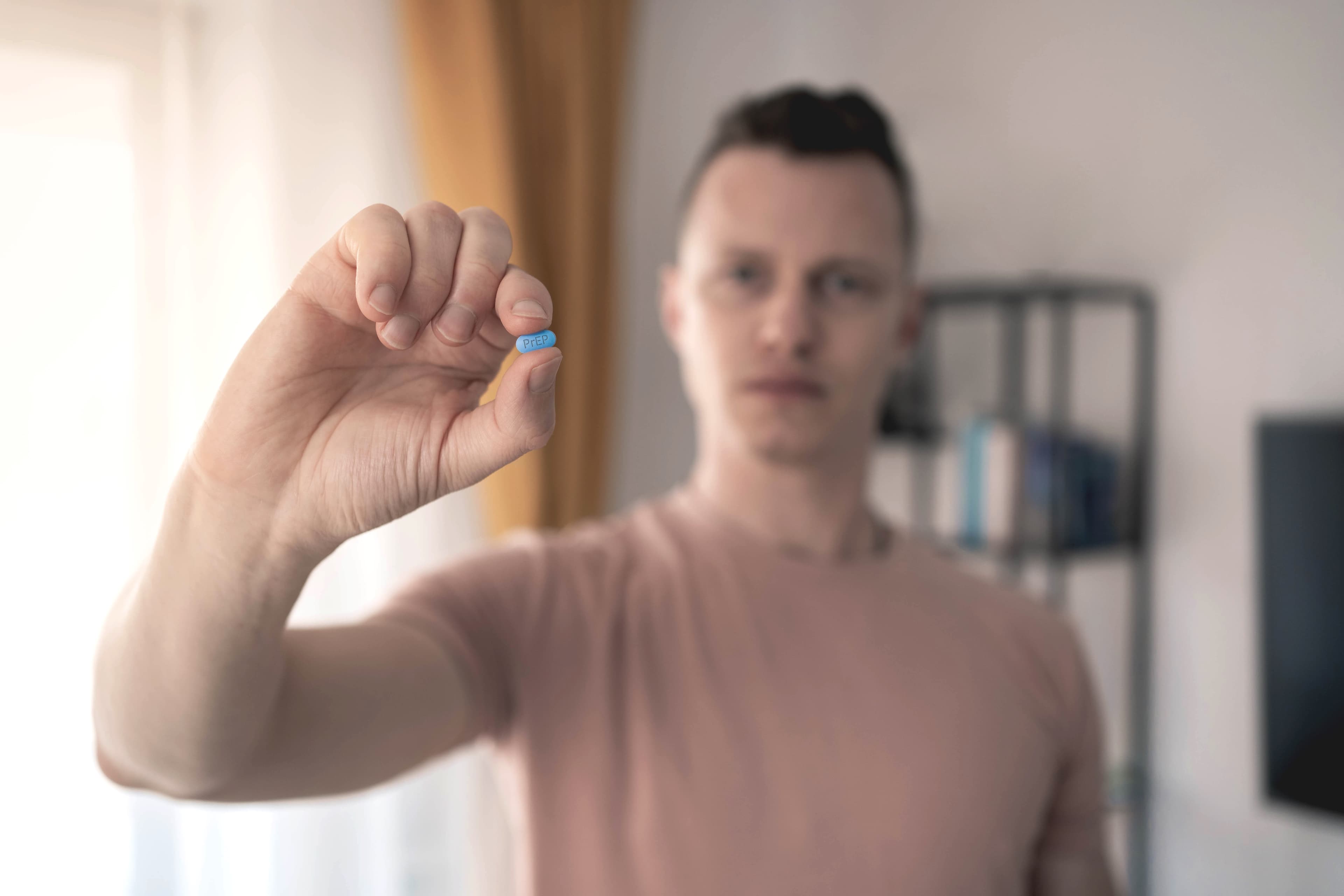
What Is PrEP?
PrEP stands for Pre-Exposure Prophylaxis. Let's break that down:
- Pre-Exposure: Before coming into contact with HIV
- Prophylaxis: Treatment to prevent an infection from happening
In simple terms, PrEP is a medication you take before potential exposure to HIV to prevent becoming infected. It's similar to how you might take medicine before traveling to prevent malaria.
Currently, there are three FDA-approved medications for PrEP in the United States:
- Truvada: A combination of two drugs (emtricitabine and tenofovir disoproxil fumarate), taken as a daily pill
- Descovy: A newer combination medication (emtricitabine and tenofovir alafenamide), also taken as a daily pill
- Apretude: An injectable form of PrEP (cabotegravir), given as a shot every two months
How Does PrEP Work?
To understand how PrEP works, it helps to know a bit about how HIV infects the body.
When HIV enters your body, it tries to make copies of itself using cells in your immune system. The medications in PrEP work by blocking this process. Think of it like putting a shield around your cells that keeps HIV from being able to get in and multiply.
For PrEP to work effectively, you need to have enough medicine in your bloodstream when you're exposed to HIV. This is why taking it as prescribed is so important.
How Effective Is PrEP?
When taken as directed, PrEP is highly effective at preventing HIV:
- When taken daily, PrEP reduces the risk of getting HIV from sex by about 99%
- For people who inject drugs, PrEP reduces the risk of HIV by at least 74%
These numbers come from several large studies that have shown the real-world effectiveness of PrEP. For example, one study called iPrEx found that gay and bisexual men who took PrEP consistently had a 99% reduction in their risk of getting HIV.
It's important to know that PrEP:
- Takes time to reach maximum protection (7 days for anal sex and 21 days for vaginal sex)
- Works best when taken every day
- Does NOT protect against other STIs like gonorrhea, chlamydia, or syphilis
- Does NOT prevent pregnancy
Who Should Consider Taking PrEP?
PrEP is for people who don't have HIV but are at risk of being exposed to it. You might consider PrEP if:
- You have sex partners who have HIV (especially if they have a detectable viral load)
- You don't always use condoms during sex
- You've had sexually transmitted infections (STIs) in the past year
- You have sex partners whose HIV status you don't know
- You inject drugs or share needles, syringes, or other equipment
- You're starting a new relationship and aren't sure about your partner's HIV status
Remember, taking PrEP is a personal choice. Having any of these factors doesn't mean you must take PrEP. It just means it might be something to consider. Also learn about other HIV prevention strategies.
Getting Started with PrEP
Starting PrEP involves a few important steps:
1. Talk to a Healthcare Provider
First, you'll need to see a doctor or nurse who can:
- Test you for HIV (you must be HIV-negative to start PrEP)
- Check your kidney function through blood tests
- Test for hepatitis B
- Test for other STIs
- Discuss your sexual health and risk factors
2. Taking PrEP
If PrEP is right for you, your healthcare provider will:
- Give you a prescription
- Explain how to take the medication
- Discuss possible side effects
- Set up follow-up appointments
3. Follow-up Care
While on PrEP, you'll need to:
- Get tested for HIV every 3 months
- Have your kidney function checked periodically
- Discuss any side effects with your provider
- Get regular STI testing
Side Effects
Most people who take PrEP have few or no side effects. When side effects do occur, they're usually mild and go away within the first month. Some people report:
- Upset stomach or nausea
- Headaches
- Feeling tired
- Some weight loss
More serious side effects are rare but can include kidney problems or loss of bone density. Your healthcare provider will monitor for these effects with regular tests.
Common Myths About PrEP
There are many misconceptions about PrEP. Let's clear up some common myths:
Myth: "PrEP is only for gay men."
Fact: PrEP is for anyone at risk of HIV transmission, regardless of gender, sexuality, or relationship status.
Myth: "Taking PrEP means I don't need to use condoms."
Fact: While PrEP prevents HIV, it doesn't protect against other STIs or pregnancy. Using condoms along with PrEP gives the most protection.
Myth: "PrEP has terrible side effects."
Fact: Most people on PrEP experience few or no side effects. When side effects do occur, they're usually mild and temporary.
Myth: "I can just take PrEP right before I have sex."
Fact: PrEP must be taken regularly to be effective. It's not a "morning-after" pill or something you can take just before sex. For emergency situations, consider PEP (Post-Exposure Prophylaxis) instead.
Making the Decision About PrEP
Deciding whether to take PrEP is personal. Consider:
- Your risk of coming into contact with HIV
- Your comfort with taking a daily medication
- Your ability to attend regular medical appointments
- Your feelings about the different HIV prevention options
Remember that you can start PrEP and later decide it's not for you, or you can decide not to take it now but change your mind later. What matters is finding the HIV prevention strategy that works best for you.
About StopHIVATL: StopHIVATL promotes harm reduction, sexual health, sex positivity, and health engagement. We provide inclusive, zero-judgment information and resources on sexual health, drug user safety, and more. The testing, prevention (PrEP), and treatment resources that StopHIVATL provides are confidential, secure, and accessible to anyone residing in Fulton County.