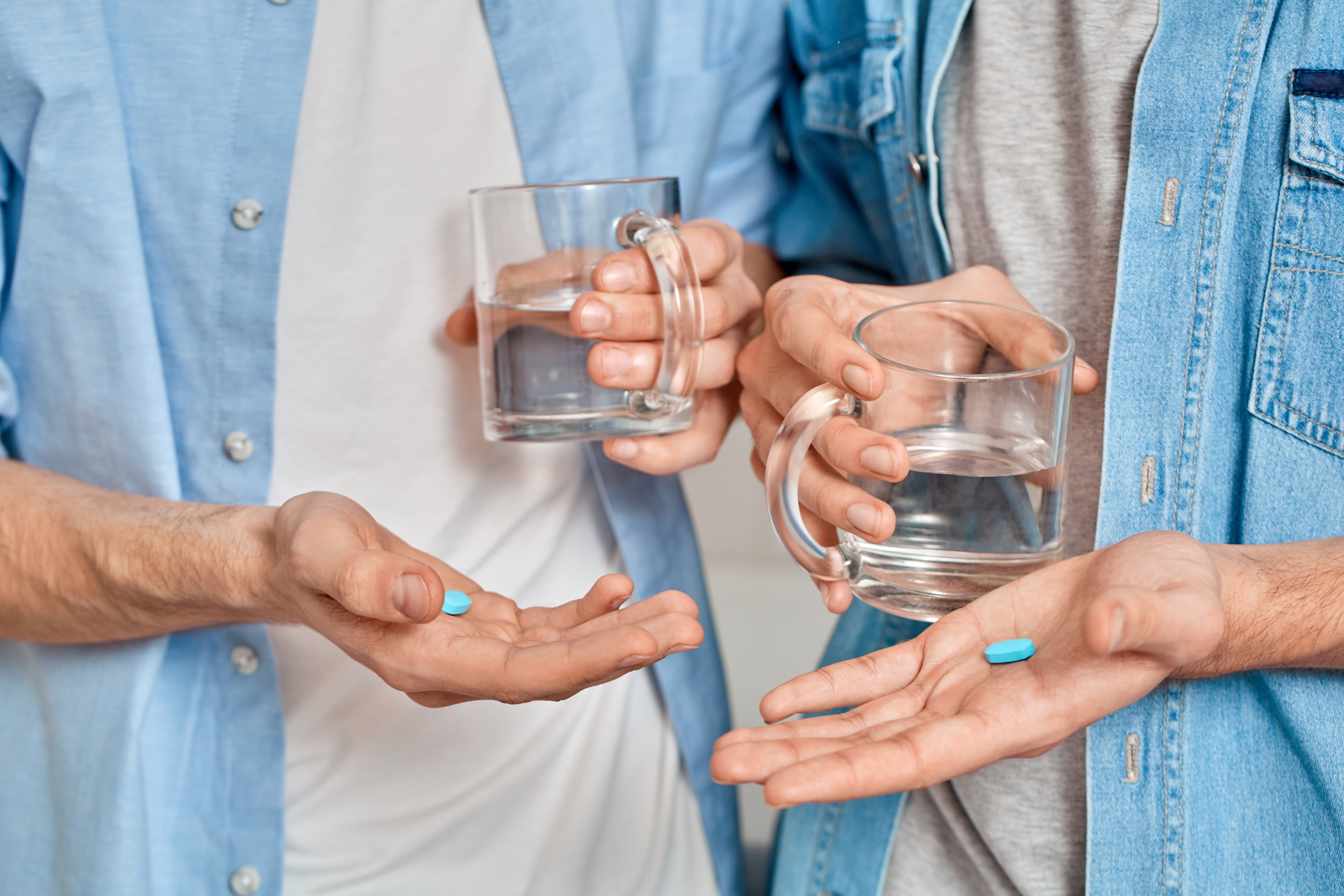
What Is Post-Exposure Prophylaxis (PEP)?
Post-Exposure Prophylaxis (PEP) is an emergency medication taken after a possible exposure to HIV to prevent becoming infected. Let's break down the name:
- Post: After
- Exposure: Coming into contact with HIV
- Prophylaxis: Treatment to prevent infection
In simple terms, PEP is a short-term treatment that can stop HIV from taking hold in your body after a potential exposure.
How PEP Works
When HIV enters your body, it looks for certain cells (called CD4 or T-cells) to infect. Once inside these cells, the virus makes copies of itself. These copies then spread to other cells, establishing the infection.
PEP works by stopping the virus from making copies of itself. Without the ability to replicate, the virus can't establish a permanent infection in your body. Think of it like stopping a weed before it has a chance to take root.
PEP typically consists of 2-3 anti-HIV medications taken together, similar to the treatment that people with HIV take. The difference is that PEP is only taken for a short time (28 days).
When to Consider PEP
PEP is only for emergency situations where you might have been exposed to HIV within the last 72 hours (3 days). It's not intended for regular use or as a replacement for other prevention methods like condoms or PrEP.
You might consider PEP if:
Sexual Exposure
- You had anal or vaginal sex without a condom (or the condom broke) with someone who has HIV or whose HIV status you don't know
- You experienced sexual assault
- You shared sex toys with someone who has HIV without disinfecting them
Needle Exposure
- You shared needles, syringes, or other equipment to inject drugs
- You were stuck with a needle in a healthcare setting or somewhere else
- You had a significant amount of blood or bodily fluids from someone else contact your broken skin or mucous membranes
The Critical 72-Hour Window
The most important thing to know about PEP is that it must be started as soon as possible after a potential exposure to HIV—ideally within 24 hours, but no later than 72 hours (3 days).
Why the rush? Once HIV enters your body, it takes time before it establishes a permanent infection. PEP works by interrupting this process, but it has to be given before the virus takes hold. The sooner you start PEP, the more effective it is:
- Most effective when started within 24 hours
- Still effective when started within 48 hours
- Less effective, but still worth taking, when started within 72 hours
- Not recommended after 72 hours, as it's unlikely to work
Where to Get PEP
Since PEP is time-sensitive, knowing where to get it quickly is important. You can get PEP from:
- Emergency Rooms: Most hospital emergency departments can provide PEP.
- Urgent Care Centers: Some urgent care centers can prescribe PEP. Call ahead to make sure.
- HIV Clinics or Sexual Health Clinics: Many specialized clinics provide PEP.
- Primary Care Doctors: Some primary care providers can prescribe PEP.
- Occupational Health Clinics: For workplace exposures like healthcare worker needle sticks.
What to Expect When Getting PEP
The Initial Visit
- Assessment: A healthcare provider will ask about the potential exposure to determine your risk level.
- HIV Testing: You'll need an HIV test before starting PEP to ensure you don't already have HIV.
- Other Tests: You may also be tested for other STIs and possibly hepatitis B and C.
- Prescription: If PEP is appropriate, you'll receive a prescription for a 28-day course of medications.
The 28-Day Treatment
PEP treatment involves:
- Taking medications exactly as prescribed, usually once or twice a day for 28 days
- Returning for follow-up HIV testing during and after treatment
- Possibly dealing with side effects
- Avoiding further HIV exposure while on PEP
Side Effects and Adherence
Like most medications, PEP can cause side effects. The most common side effects include:
- Nausea
- Fatigue (feeling tired)
- Headache
- Diarrhea
- Stomach discomfort
These side effects are usually mild and get better after a few days. Most importantly, don't stop taking your medication without talking to your healthcare provider.
PEP Effectiveness
When taken correctly and started promptly, PEP is highly effective at preventing HIV infection. Studies on PEP effectiveness show:
- In healthcare settings, PEP reduces the risk of HIV infection by more than 80% after needle stick injuries
- For sexual exposures, PEP is also highly effective
Factors that affect PEP effectiveness include:
- How soon after exposure PEP is started
- Adherence to the full 28-day course
- The viral load (amount of HIV) in the source person's blood
- The type and severity of exposure
PEP vs. PrEP: Understanding the Difference
| PEP (Post-Exposure Prophylaxis) | PrEP (Pre-Exposure Prophylaxis) |
|---|---|
| Taken AFTER a potential exposure to HIV | Taken BEFORE potential exposure to HIV |
| Emergency measure only | Ongoing prevention method |
| Must be started within 72 hours of exposure | Taken regularly for as long as needed |
| Taken for 28 days only | For people who may be exposed to HIV regularly |
If you find yourself needing PEP multiple times, you should talk to your healthcare provider about whether PrEP might be a better option for you.
Cost and Insurance Coverage
Concerns about cost shouldn't prevent you from seeking PEP. Most private insurance plans, Medicaid, and Medicare cover PEP. For those without insurance or with limited coverage:
- Medication assistance programs from drug manufacturers can help cover the cost
- Some states have special programs to help pay for PEP
- Many HIV clinics can help you find resources to cover PEP costs
The key thing to remember is that you should seek PEP first, then worry about payment.
After PEP: Next Steps for HIV Prevention
Once you complete your PEP treatment, it's a good time to think about ongoing HIV prevention:
- Consider PrEP: If you're at ongoing risk for HIV, talk to your healthcare provider about PrEP.
- Practice Safer Sex: Using condoms consistently and correctly reduces the risk of HIV and other STIs.
- Regular Testing: Get tested for HIV and other STIs regularly if you're sexually active.
- Harm Reduction: If you inject drugs, use new, sterile equipment each time. Learn about overdose prevention.
- Talk to Partners: Open communication with sexual partners about HIV status, testing, and prevention can help keep everyone safe.
About StopHIVATL: StopHIVATL promotes harm reduction, sexual health, sex positivity, and health engagement. We provide inclusive, zero-judgment information and resources on sexual health, drug user safety, and more.