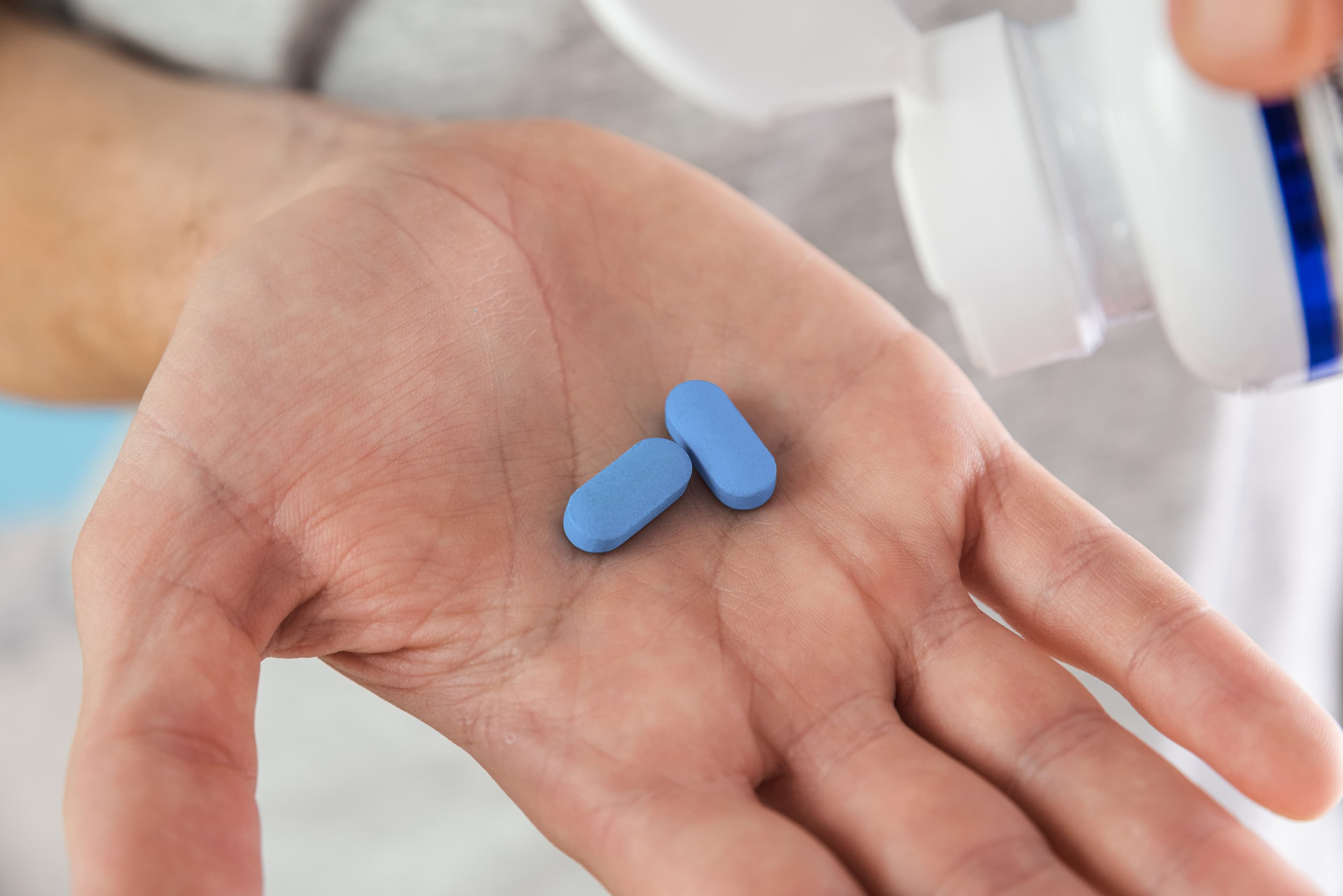
What Is PEP (Post-Exposure Prophylaxis)?
PEP stands for Post-Exposure Prophylaxis. Let's break that down:
- "Post" means after
- "Exposure" refers to a potential contact with HIV
- "Prophylaxis" means prevention
In simple terms, PEP is an emergency medication taken after a possible exposure to HIV to prevent becoming infected. It consists of anti-HIV medications (antiretrovirals) that are taken for 28 days.
What Is Doxy PEP?
Doxy PEP stands for Doxycycline Post-Exposure Prophylaxis. Similar to PEP, it's taken after potential exposure, but there are important differences:
- Doxy PEP uses the antibiotic doxycycline
- It works against certain bacterial STIs, not HIV
- Specifically, it helps prevent chlamydia, syphilis, and sometimes gonorrhea
- It's typically a single dose taken within 72 hours after sex
Key Differences at a Glance
| Feature | PEP (Post-Exposure Prophylaxis) | Doxy PEP |
|---|---|---|
| Prevents | HIV | Bacterial STIs (primarily chlamydia, syphilis, sometimes gonorrhea) |
| Medication type | Antiretroviral drugs | Antibiotic (doxycycline) |
| Duration | 28-day course | Single dose |
| When to take | Within 72 hours of potential HIV exposure (sooner is better) | Within 72 hours after sex |
| Effectiveness | Highly effective when started quickly | Reduces bacterial STI risk by about 65-70% |
| Who can use it | Anyone with potential HIV exposure | Currently recommended for specific high-risk groups |
How PEP Works: The Details
When to Consider PEP
PEP is for emergency situations where you might have been exposed to HIV. These situations might include:
- Condomless sex with someone who has HIV or whose HIV status you don't know
- A condom breaking during sex with someone who might have HIV
- Sharing needles or injection equipment
- Sexual assault
- Occupational exposure (like a healthcare worker experiencing a needle stick)
The PEP Process
If you think you need PEP, here's what happens:
- Seek medical care immediately - PEP must be started within 72 hours of exposure, but the sooner the better (ideally within 24 hours)
- A healthcare provider will assess your risk and determine if PEP is appropriate
- You'll take an HIV test to confirm you don't already have HIV
- If prescribed, you'll take multiple antiretroviral medications for 28 days
- You'll need follow-up testing to confirm that PEP was effective
Effectiveness of PEP
PEP is highly effective when started quickly and taken as prescribed. While it's not 100% effective, studies show it substantially reduces the risk of HIV infection.
Side Effects of PEP
Common side effects of PEP may include:
- Nausea
- Fatigue
- Headache
- Upset stomach
- Diarrhea
These side effects are usually mild and improve within the first week.
How Doxy PEP Works: The Details
When to Consider Doxy PEP
Doxy PEP is taken after sexual contact that might have exposed you to bacterial STIs. Currently, studies have focused on its use in:
- Gay and bisexual men and transgender women who have multiple sex partners
- People who have had recent STIs
- People who sometimes have sex without condoms
The Doxy PEP Process
- Take a single dose of doxycycline (typically 200mg) within 72 hours after sex
- Continue regular STI testing as recommended by your healthcare provider
- Use other prevention methods like condoms when possible
Effectiveness of Doxy PEP
Research shows that Doxy PEP can reduce the risk of common bacterial STIs by about 65-70%. It's important to note that:
- It works better for chlamydia and syphilis than for gonorrhea
- It doesn't protect against HIV, viral hepatitis, herpes, or HPV
- Its effectiveness may vary depending on local patterns of antibiotic resistance
Side Effects of Doxy PEP
Possible side effects of doxycycline include:
- Stomach upset
- Nausea
- Diarrhea
- Increased sensitivity to sunlight (photosensitivity)
- Vaginal yeast infections in women
Important Considerations
Antimicrobial Resistance and Doxy PEP
One major concern about Doxy PEP is the potential for contributing to antibiotic resistance. When antibiotics are used frequently, bacteria can develop ways to survive despite the medication. Researchers are monitoring this concern closely.
PEP Is Not PrEP
It's important to understand that PEP (Post-Exposure Prophylaxis) is different from PrEP (Pre-Exposure Prophylaxis):
- PEP is taken AFTER a potential HIV exposure as an emergency measure
- PrEP is taken BEFORE potential HIV exposure as an ongoing prevention method
If you find yourself needing PEP repeatedly, talk to your healthcare provider about whether PrEP might be a better option for you.
Can PEP and Doxy PEP Be Used Together?
In certain situations, someone might use both PEP and Doxy PEP after a potential exposure, since they protect against different infections. For example:
- If you had condomless sex with a partner whose HIV status is unknown, you might take PEP to prevent HIV
- At the same time, you might take Doxy PEP to prevent bacterial STIs
If you're considering using both, it's essential to:
- Consult with a healthcare provider
- Discuss potential drug interactions
- Follow instructions for each medication carefully
Access and Availability
Getting PEP
PEP is available through:
- Emergency rooms
- Urgent care centers
- Some primary care providers
- HIV specialty clinics
- Sexual health clinics
Getting Doxy PEP
Doxy PEP is still relatively new as a prevention strategy, so availability varies:
- Some sexual health clinics in major cities offer it
- Some HIV prevention programs include Doxy PEP
- Some primary care providers who specialize in LGBTQ+ health or HIV prevention may prescribe it
Frequently Asked Questions
1. Can I use PEP repeatedly if I keep having potential HIV exposures?
While PEP can be used more than once, it's not designed for repeated use. If you find yourself needing PEP multiple times, talk to your healthcare provider about PrEP.
2. Will Doxy PEP protect me against all sexually transmitted infections?
No. Doxy PEP only helps prevent certain bacterial STIs – primarily chlamydia and syphilis, and to a lesser extent, gonorrhea. It does not protect against HIV, herpes, HPV, hepatitis, or other viral infections.
3. Is it safe to take antibiotics like doxycycline after sex on a regular basis?
While studies have shown Doxy PEP to be effective, there are concerns about antibiotic resistance with regular use. Discuss with your healthcare provider about what's best for your situation.
About StopHIVATL: StopHIVATL promotes harm reduction, sexual health, sex positivity, and health engagement. We provide inclusive, zero-judgment information and resources on sexual health, drug user safety, and more. The testing, prevention (PrEP), and treatment resources that StopHIVATL provides are confidential, secure, and accessible to anyone residing in Fulton County.