What Is HIV?
HIV stands for Human Immunodeficiency Virus. Let's break down what that means:
- H: This virus only affects humans.
- Immunodeficiency: It weakens the immune system, which is your body's natural defense against illness.
- Virus: It's a tiny germ that can cause infection and disease.
HIV is a specific type of virus that attacks your immune system, especially cells called CD4 cells (sometimes called T-cells). These cells are like the security guards of your body, helping to fight off infections and diseases. When HIV enters your body, it uses these CD4 cells to make copies of itself and, in the process, damages or destroys them. Learn more about how HIV is transmitted.
How HIV Spreads
HIV can be transmitted from person to person through certain body fluids:
- Blood
- Semen
- Pre-seminal fluid (pre-cum)
- Rectal fluids
- Vaginal fluids
- Breast milk
The most common ways HIV is passed from one person to another are:
- Having sex without protection (like condoms or medications that prevent HIV)
- Sharing needles or syringes with someone who has HIV
- From mother to baby during pregnancy, birth, or breastfeeding
It's important to know that HIV does NOT spread through:
- Casual contact (hugging, shaking hands)
- Air or water
- Mosquitoes or other insects
- Saliva, tears, or sweat (unless mixed with blood)
- Sharing toilets, food, or drinks
What Is AIDS?
AIDS stands for Acquired Immunodeficiency Syndrome. Again, let's break it down:
- Acquired: It's something you get (not something you're born with)
- Immunodeficiency: Your immune system is weakened and can't fight infections effectively
- Syndrome: It's a collection of symptoms and illnesses, not just one disease
AIDS is the most advanced stage of HIV infection. When someone has AIDS, their immune system is severely damaged, and they become vulnerable to opportunistic infections. These are infections that take advantage of a weakened immune system.
The Connection Between HIV and AIDS
The relationship between HIV and AIDS is straightforward: HIV is the virus that can lead to AIDS if left untreated.
Here's how the progression typically works:
- A person is exposed to HIV and becomes infected
- The virus begins attacking their immune system
- Without treatment, the immune system gradually weakens over time
- Eventually, the immune system becomes so damaged that the person develops AIDS
This progression can take anywhere from 2 to 15 years without treatment, depending on the individual and other factors.
How Is AIDS Diagnosed?
A doctor will diagnose AIDS if a person with HIV meets one or both of these conditions:
- Their CD4 cell count falls below 200 cells per cubic millimeter of blood (A healthy CD4 count is between 500 and 1,600)
- They develop one or more opportunistic infections or cancers that are uncommon in people with healthy immune systems
Living with HIV Today vs. the Past
When HIV/AIDS was first identified in the early 1980s, there were no effective treatments. Getting an HIV diagnosis often meant progressing to AIDS within a few years, with a very poor outlook for survival.
Today, the story is completely different. With modern antiretroviral therapy (ART), HIV can be controlled. These medications stop the virus from making copies of itself, allowing the immune system to recover and remain strong.
For someone diagnosed with HIV today who starts treatment early and takes their medication as prescribed:
- They can expect to live nearly as long as someone without HIV
- They may never develop AIDS
- Once they achieve an undetectable viral load, they cannot transmit HIV to sexual partners (this is known as "Undetectable = Untransmittable" or U=U)
Symptoms: HIV vs. AIDS
Early HIV Infection Symptoms
Many people have no symptoms when they first get HIV. Others may experience a flu-like illness 2-4 weeks after infection, which might include:
- Fever
- Chills
- Rash
- Night sweats
- Muscle aches
- Sore throat
- Fatigue
- Swollen lymph nodes
These symptoms typically last a few days to a few weeks and then go away on their own.
Chronic HIV Infection
After the acute stage, people often have no symptoms for many years. During this time, the virus is still active and damaging the immune system, even though the person feels fine. This is why regular HIV testing is important—you can't rely on symptoms to know if you have HIV.
AIDS Symptoms
When HIV has advanced to AIDS, the symptoms become more severe and can include:
- Rapid weight loss
- Recurring fevers
- Extreme fatigue
- Prolonged swelling of lymph nodes
- Diarrhea lasting more than a week
- Sores in the mouth, anus, or genitals
- Pneumonia
- Memory loss, depression, and other neurological disorders
Testing for HIV
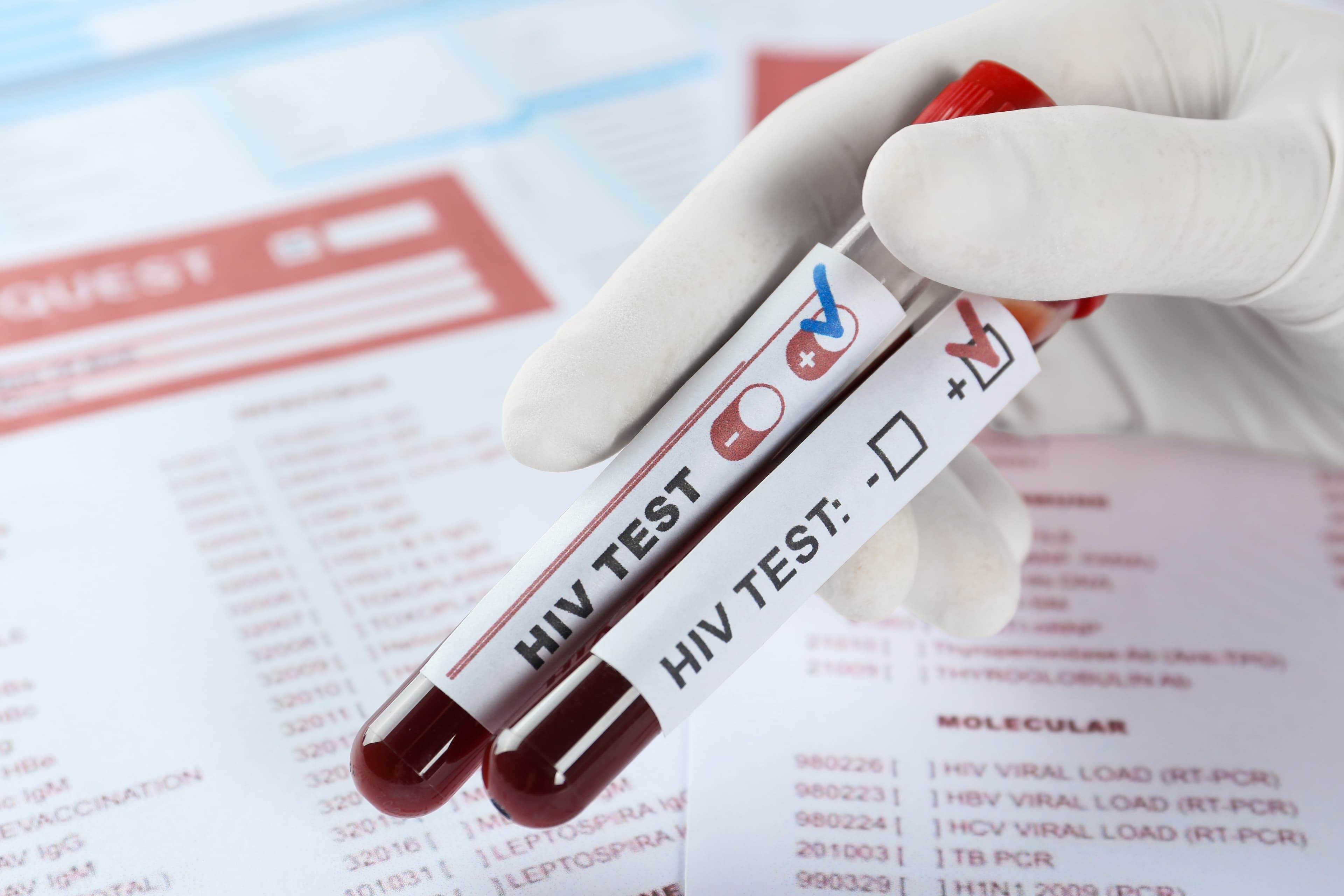
Testing is the only way to know for sure if you have HIV. There are several types of HIV tests:
- Antibody Tests: These look for antibodies to HIV in your blood or oral fluid.
- Antigen/Antibody Tests: These tests look for both HIV antibodies and antigens (a part of the virus itself).
- Nucleic Acid Tests (NATs): These look for the actual virus in your blood.
Prevention: Stopping HIV Before It Starts
Since AIDS is caused by HIV, preventing HIV also prevents AIDS. There are several effective ways to prevent HIV:
- PrEP (Pre-exposure Prophylaxis): A medication you can take before being exposed to HIV to prevent infection.
- Condoms: When used correctly, condoms are very effective at preventing HIV transmission during sex.
- Treatment as Prevention: People with HIV who take medication and maintain an undetectable viral load can't transmit the virus to their sexual partners.
- PEP (Post-exposure Prophylaxis): A medication that can be taken within 72 hours after a potential exposure to HIV to prevent infection.
- Clean Needle Programs: For people who inject drugs, using new, sterile needles and equipment for each injection can prevent HIV transmission.
The Importance of Reducing Stigma
Understanding the difference between HIV and AIDS helps reduce stigma. Many people living with HIV say that dealing with stigma can be as challenging as managing the condition itself.
Stigma leads to:
- Discrimination
- Fear of getting tested
- Reluctance to disclose HIV status
By educating ourselves about HIV and AIDS, we can help create a more supportive environment for everyone affected by these conditions.
About StopHIVATL: StopHIVATL promotes harm reduction, sexual health, sex positivity, and health engagement. We provide inclusive, zero-judgment information and resources on sexual health, drug user safety, and more. The testing, prevention (PrEP), and treatment resources that StopHIVATL provides are confidential, secure, and accessible to anyone residing in Fulton County.